A Practical Guide to Linen and Cotton Sheets: Care, Texture, and Longevity
Explore the nuanced world of linen vs. cotton sheets—from texture and breathability to care rituals that extend softness and life. A Vogue-ready guide to selecting the weave, understanding thread myths, and maintaining bedding that whispers luxury every night.
Published: September 30, 2026
In the realm of sleep, the fabric you choose whispers as much as your pillow talk. Linen and cotton sit at opposite ends of the texture spectrum, yet both offer exceptional performance when understood through the lens of climate, routine, and mood. Linen sheets—breathable, moisture-wicking, and naturally temperature-regulating—exhibit a lived-in elegance that softens with every wash. Cotton sheets, by contrast, offer an even-handed softness, a wide range of finishes from crisp percale to lush sateen, and a climate-friendly versatility that suits many bedrooms.
At linencloset.info, we embrace the intersection of tactility and longevity. The right sheets do more than cover a mattress; they shape your sleep rituals. Below, we unpack the essentials: how to choose the right weave for your climate, how to navigate the much-discussed thread count myth, and how to care for linen and cotton so texture stays crisp or becomes irresistibly soft over time.
1) Linen vs. Cotton: The Textures of Sleep
Linen and cotton each bring a unique language to your bed. Linen, made from the fibers of the flax plant, is celebrated for its breathability and moisture management. It has a natural, relaxed texture that can feel crisper straight from the dryer and softens beautifully as it is laundered. Linen’s open weave and hollow fibers allow air to circulate, which can translate into a cooler sleep surface in warm climates. This natural air-conditioning is complemented by linen’s excellent moisture-wicking properties, drawing sweat away from the skin and drying rapidly.
Cotton sheets offer a different play of textures. Percale presents a matte, crisp finish with a breathable, weave-driven feel that’s ideal for hot sleepers who crave a sense of structure beneath the sheets. Sateen cotton, with a higher sheen and a silkier hand, provides a more luxurious drape and a warmer texture—perfect for cooler nights or those who crave a softer touch against the skin.
Texture isn’t the only difference. Linen’s surface imperfections—slight puckering, irregularities in weave, and a slightly heavier drape—are part of its charm. Cotton, particularly high-thread-count staples, can feel smoother and more uniform from the start. Your choice should reflect personal preference, sleep environment, and ethical considerations you care about, such as organic farming and certifications like GOTS or Oeko-Tex.
2) Weave, Weight, and Climate: How to Choose
Weave geometry determines how a sheet feels and how it behaves with body temperature. Linen sheets often come in a plain weave or a linen weave with a relaxed hand. The weight of linen sheets—usually expressed in grams per square meter (GSM)—affects warmth and drape. Lighter linen sheets feel cooler and airier, while mid-to-heavy weight linens provide more drift and a heavier, more substantial hand that some sleepers associate with luxury.
Cotton sheets span a spectrum—from lightweight, breezy percale to compact, smooth sateen. The thread count, long a topic of debate, isn’t the sole arbiter of quality. The fiber type, weave, and finishing process (garment-washed, peach-skin, or matte) contribute significantly to the final feel. A 200–400 thread count cotton percale can feel airy and crisp, especially when the weave is tight and the cotton is long-staple. Higher counts don’t necessarily equate to luxury; they can lead to a denser fabric that traps heat in some climates.
For a climate-tobed pairing, consider:
- Hot climates or warm-sleepers: choose lighter linen or cotton percale with a high breathability index.
- All-season comfort: opt for mid-weight linen or cotton with a balanced weave, perhaps a light flannel-cotton blend for winter warmth.
- Cold climates: consider cotton sateen with a warmer hand, or linen with a slightly heavier weight to preserve warmth while still offering breathability.
3) The Thread Count Myth, and What Really Matters
Thread count—while often spotlighted in marketing—are not the sole predictor of softness or longevity. The quality of the cotton or linen fiber, the length of the staple fibers, the finish applied after weaving, and the thread distribution can influence feel far more than a single number. A well-made 300-thread-count cotton sheet with long-staple cotton can feel more sumptuous than a lower-count blend, just as a linen sheet with a robust loom can offer extraordinary texture and longevity regardless of a nominal “weight.”
What to look for instead: fiber type (organic or reputable linen or cotton sources), fiber length (long-staple cotton is premium), weave type (percale, sateen, linen plain weave), and certifications that reassure sustainable practices. Certifications like GOTS (Global Organic Textile Standard) for linen and cotton reassure you that organic farming and processing standards are met. Oeko-Tex certification provides assurance against harmful substances, a meaningful consideration for skin-contact textiles.
4) Caring for Linen and Cotton Sheets: A Ritual for Longevity
Care rituals matter as much as the initial feel. Linen’s natural texture benefits from washing. A shorter, cooler wash with mild detergent helps preserve surface texture and reduce pilling. Linen loves a bit of agitation and air drying, yet many prefer to tumble dry on low heat to accelerate softness. Linen will naturally soften with age, revealing a cozy, lived-in hand that becomes more comfortable over time. A tip: avoid over-drying linen to prevent excessive wrinkling and to protect fibers.
Cotton sheets are generally sturdy and forgiving. Washing in warm water can help remove oils and perspiration, while a gentle cycle protects fibers. Tumble drying on low heat or line-drying preserves fabric integrity and reduces wrinkle formation. For percale, a short tumble can help keep edges crisp; for sateen, a longer tumble reduces stiffness and keeps a smooth hand. Ironing is optional, depending on the desired finish; linen often benefits from a light ironing while slightly damp to minimize wrinkles, though many adore the natural crinkles linen develops.
5) A Practical Guide to Sourcing: A Linen Closet Playbook
Beyond the bed, you’re curating texture across the room. In the Linen Closet Playbook, consider pairing pillowcases and shams with duvet covers that share a thread of color or texture to create a cohesive aesthetic. A dedicated shelf or labeled bins can help maintain rotation between seasons. When selecting products, aim for integrity of materials and a design that ages gracefully. The right linen or cotton sheet set should feel crisp in the first months and grow richer with time.
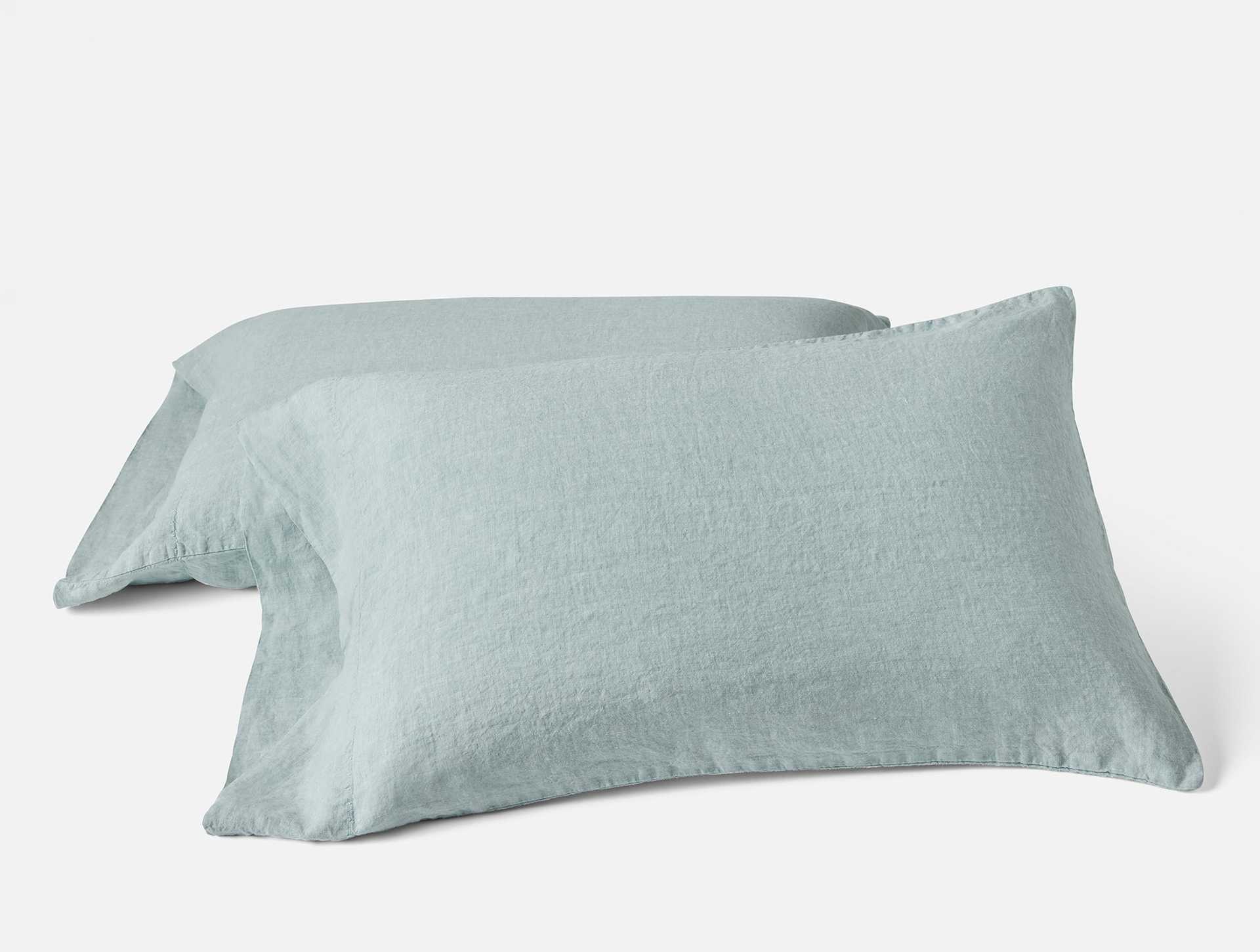
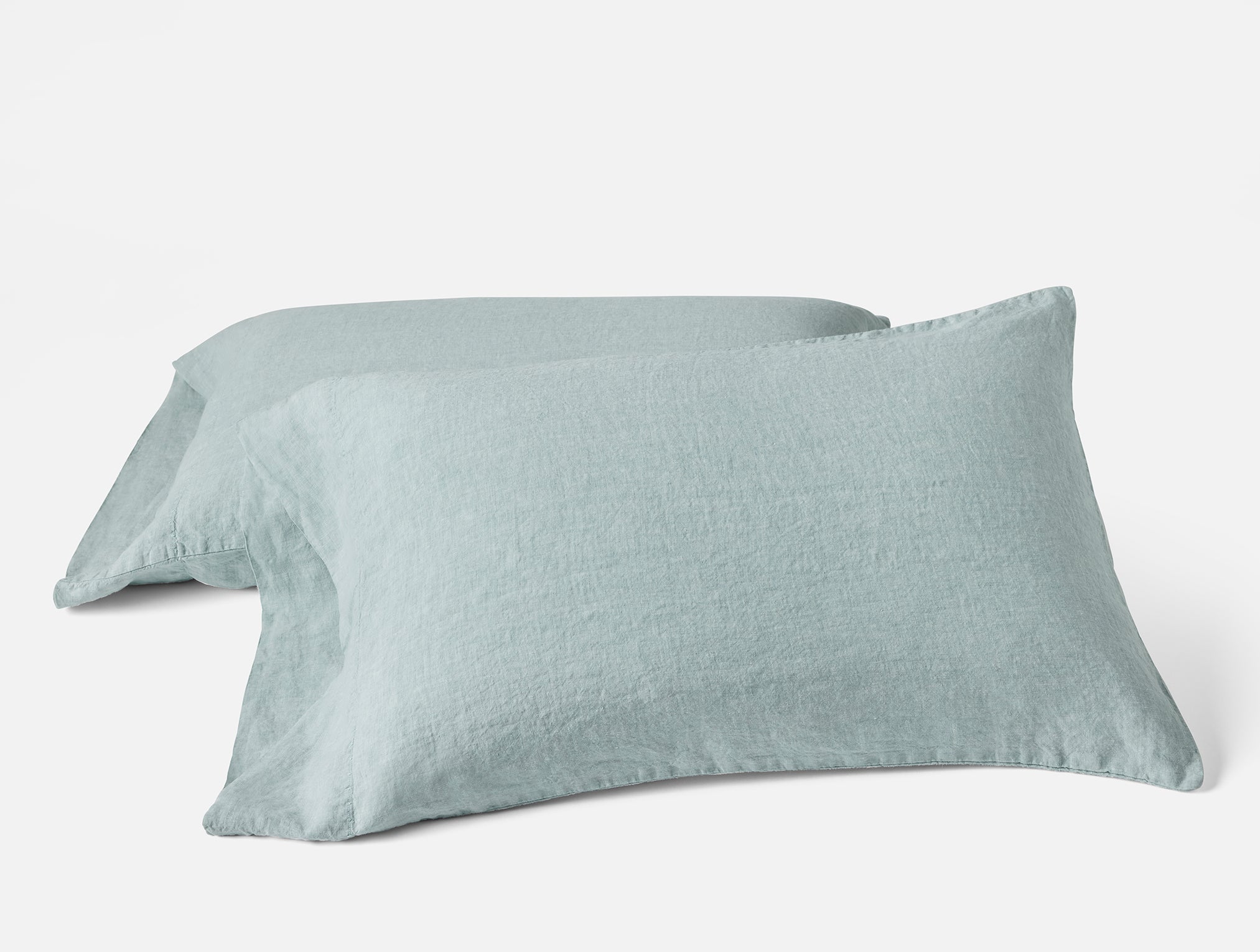
One featured option worth noting is the Organic Relaxed Linen Pillowcases from Coyuchi. This product embodies the ethos of organic flax, European sourcing, and garment-washed softness that deepens with use. Though pillowcases, their impact on sleep quality and the overall feel of a bedding ensemble is undeniable, especially when they harmonize with a matching sheet set. For readers who want a balanced, breathable sleep foundation, this is a standout example of a Linen product that speaks to both comfort and sustainability.
6) A Vogue-Scripted Look at the Sheets: Color, Shape, and Light
The aesthetic dimension of bedding—color, texture, and light interaction—should be considered with the same care as the fiber. Linen, with its natural variation, creates a soft, nuanced surface that looks better with time, particularly in earthy, neutral palettes. Cotton, with a wider color range and finishes, can be styled to look crisp and modern or soft and romantic.
When curating a look, think about the wardrobe of your sleep space: the sheets’ tone should harmonize with the walls, accent pieces, and lighting. A chic pairing of slate blue pillowcases with warm white percale sheets creates a serene, couture-like bedcape. For a more luxe, tactile effect, pair linen with a subtle sheen in cotton sateen throws or decorative shams to catch the light in a refined way.
7) Quick-Start Guide for a Sleep-Ready Linen Closet
- Inventory and categorize: separate sheets, pillowcases, duvet covers, and towels. Note fiber content and care instructions on a simple label.
- Rotation calendar: rotate seasonal sets to keep fibers in balanced use cycles and reduce wear hot spots.
- Labeling: create a simple labeling system (e.g., Linen, Cotton, Percale, Sateen) to speed future purchases and laundry days.
- Care plan: assign a weekly or bi-weekly wash day with a set of detergent and fabric softener preferences aligned to fiber type.
- Storage: keep linens dry, protected from humidity and pests; use breathable cotton bags or cotton storage containers to minimize moisture buildup.
8) Quick Reference: FAQ and Glossary
Q: Is a higher thread count always better?
A: Not necessarily. Thread count matters, but the fiber quality and weave shape the feel and durability more significantly. Look for long-staple fibers and a reputable weave rather than chasing the highest count.
Q: How often should linen sheets be replaced?
A: Linen typically ages with grace, softening each cycle. Replacement depends on wear and tear; many households find linen sheets lasting 7–10 years with good care, possibly longer with careful handling.
Q: Can I wash linen with cotton?
A: Yes, but separate if you want to preserve colorfastness and avoid unnecessary abrasion. Linen benefits from cooler cycles; cotton can tolerate warmer cycles if the load is balanced.
9) Acknowledging Time-Period Icons: Three Key Figures in Textile Care and Design
To bring a richer cultural weave to our conversation, we spotlight three key individuals across time who shaped perceptions of textiles and domestic care, each offering a prism into how linen and cotton have been valued and understood.
- Christine de Pisan (c. 1364–1430) – Medieval to Early Renaissance Europe: A pioneer voice in documenting daily life, Christine’s era celebrated meticulous housekeeping and textile care in domestic manuals. Her emphasis on order and practical knowledge mirrors today’s care guides for linens, reminding us that fabrics are not merely decor but integral to daily rituals and health.
- Le Corbusier (1887–1965) – Modernist Architect and Designer: While known for architecture, Le Corbusier’s philosophy around order, proportion, and material honesty resonates with the modern textile movement—emphasizing fabrics that blend utility with form. Linen and cotton sheets, in the spirit of his design gospel, become essential elements of a well-ordered, aesthetic bedroom.
- Donna Karan (b. 1948) – Fashion Designer and Home Stylist: A contemporary voice who championed simplicity, luxury, and accessible elegance. Her approach to fabric in apparel translates beautifully to bedding—softness, texture, and pragmatic care rituals. In the Vogue-era mood, her ethos translates to a bedding philosophy that celebrates tactility, comfort, and responsible sourcing.
10) Product Spotlight: Organic Relaxed Linen Pillowcases
From the esteemed Coyuchi line, the Organic Relaxed Linen Pillowcases offer 100% organic flax grown in France, woven in Portugal, and finished with a pick-stitched cuff. GOTS-certified for natural softness and durability, these pillowcases embody the calm luxury we associate with linen closet rituals.
11) Editorial Note: The Closet as a Couture Stage
In the Vogue-inflected cadence of linencloset.info, the linen closet is a stage for ritual, texture, and quiet luxury. The world of sheets—linen and cotton—becomes a personal atelier where care, science, and style converge. The fabrics we wrap around our bodies and minds speak to our values: sustainability, ethical sourcing, and the enduring romance of natural fibers. Our guide invites you to curate not just a collection, but a lifestyle, where every wash, every fold, and every rotation contributes to a calmer, more elegant home.
Would you like a sample site map, 6–8 article outlines, and branding recommendations? We can craft a neutral, fashion-forward identity for linencloset.info that aligns with Direction A: Home Organization and Linen Care Resource, including logo concepts, color palettes, and typography that echo timeless luxury.
12) Conclusion: The Everyday Luxury of Linen and Cotton Sheets
Choosing linen or cotton sheets is a statement of how you wish to experience sleep. It is a moment of self-care that balances practicality with couture sensibility. The care rituals you adopt will determine how long your textiles retain their texture and beauty. Linen or cotton, both rooted in history and refined by modern standards, deserve a place in a well-curated home—an invitation to slow down, breathe, and drift into the serenity of a beautifully made bed.
As we close this guide, remember: longevity starts with mindful selection, respectful care, and a closet that understands your rhythms. May your sheets be soft, your nights be restful, and your linen closet a testament to an ongoing love affair with texture and tactility.